

AI Runs on Resources — and the Arctic Has Them
Artificial intelligence isn’t powered by magic — it’s powered by energy, data, and minerals. From the lithium in high-density batteries to the rare earths in quantum processors and advanced sensors, every layer of the AI revolution depends on secure access to critical raw materials. Add to that the enormous electricity demands of AI data centers, and the strategic equation is clear: control over energy and minerals equals control over the AI future.
The Arctic may hold the single largest untapped cache of those inputs on Earth:
🔵 Rare Earth Elements – Essential for high-performance computing, satellites, and weapons systems.
🟢 Oil & Natural Gas – Baseline power for grid stability as AI-driven infrastructure scales.
🟣 Copper, Nickel, and Cobalt – Core components for data center cooling, high-efficiency wiring, and robotics.
In short: whoever commands the Arctic’s resources commands a foundational pillar of 21st-century technological supremacy.
China’s AI Ambitions Meet Its Arctic Push
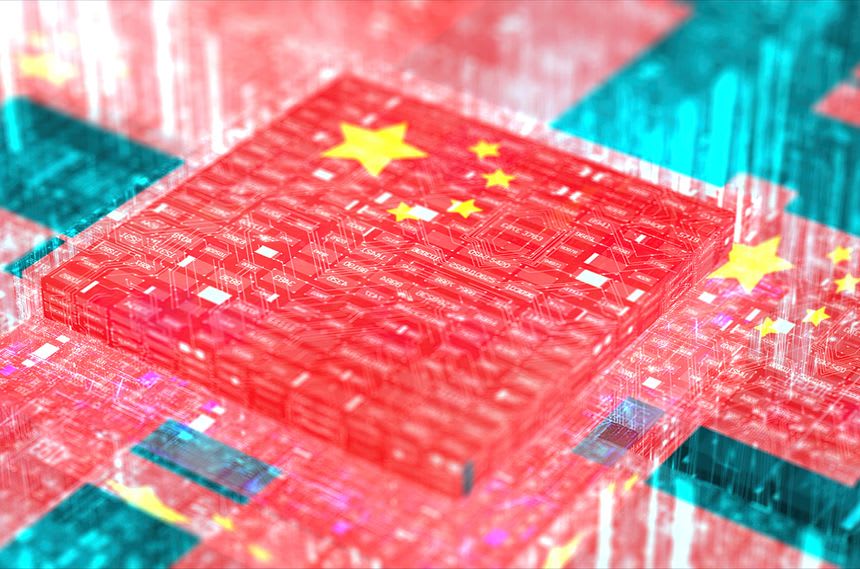
China’s stated goal is to lead the world in AI by 2030. Achieving that requires two things:
🔵 Uninterrupted supply of critical minerals for processors, robotics, and quantum systems.
🟢 Cheap, abundant energy to fuel massive training clusters and industrial-scale AI deployment.
Beijing’s Polar Silk Road strategy and Arctic partnerships with Russia are aimed squarely at securing those inputs. Joint LNG projects, mineral exploration, and emerging Arctic shipping routes could give China an energy and resource advantage — insulating it from U.S. sanctions or supply disruptions.
The Trump–Putin Factor: Breaking the Russia–China Resource Axis
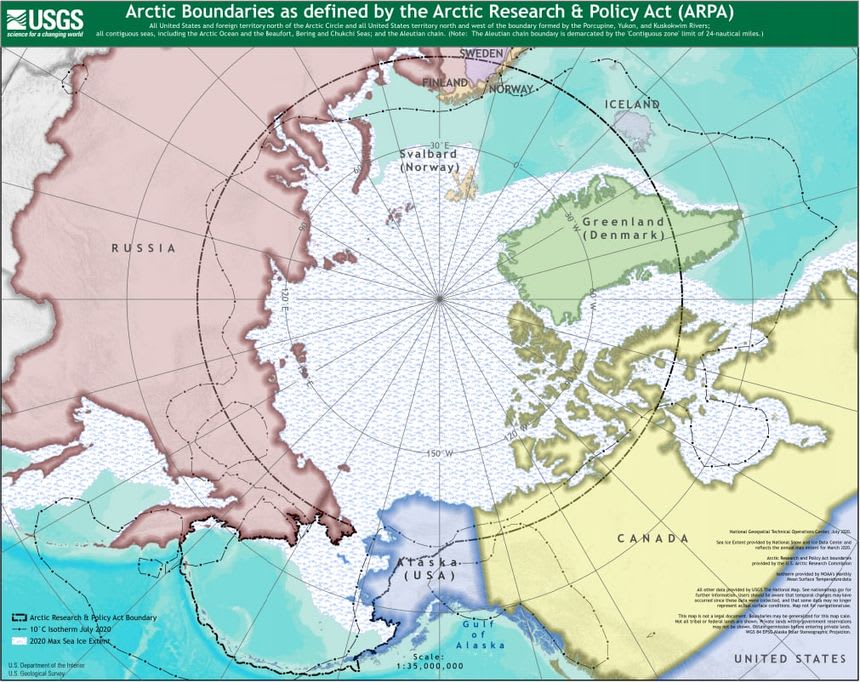
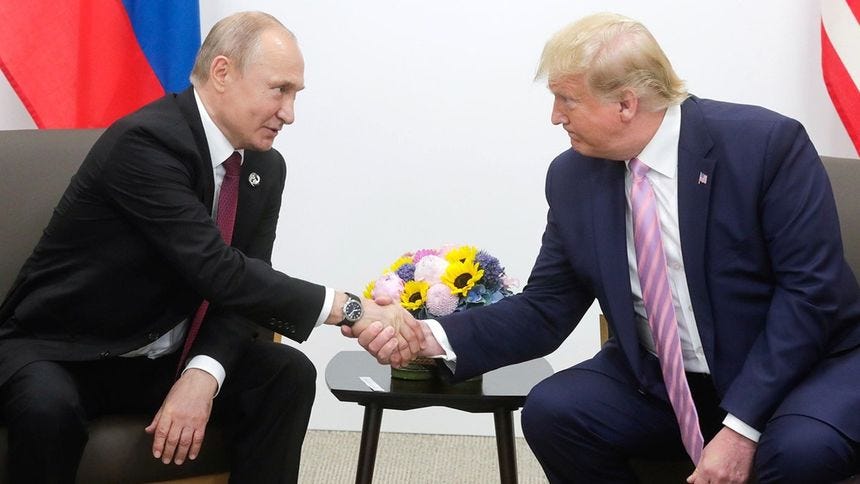
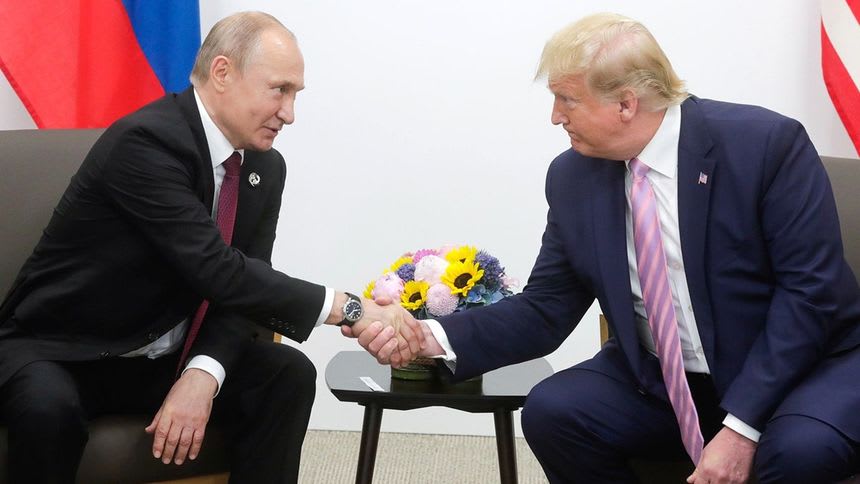
The August 15, 2025, Trump–Putin summit in Alaska is more than a diplomatic meeting — it’s a carefully staged geopolitical signal. Alaska itself carries deep symbolic weight: once Russian America, sold to the United States in 1867, it embodies the possibility of transactional land deals and shifting spheres of influence. Its Arctic position places it at the crossroads of emerging trade routes, untapped mineral wealth, and strategic military value — exactly the elements that will define the next century’s balance of power.
By choosing Alaska, Trump underscores both a historical connection to Russia and a modern calculation: to meet Putin far from NATO capitals, on America’s own Arctic frontier, where the subtext is clear — control over this frozen expanse is a gateway to resource dominance, energy leverage, and, in the AI era, technological supremacy.
For the United States, Arctic dominance isn’t just about territory — it’s about blocking China from securing a monopoly on the raw inputs of the AI age. Trump’s Alaska summit with Putin can be seen through this lens:
🟢 Split Russia from China – Aligning with Moscow on Arctic development deprives Beijing of its most powerful Arctic partner.
🔵 Joint Resource Development – U.S.–Russia ventures in rare earth extraction and energy projects could lock China out of key supply chains.
🟣 Securing Arctic Shipping Routes – Control over the Northern Sea Route limits China’s ability to bypass U.S.-controlled trade chokepoints.
This is a geo-tech strategy, not just a geopolitical one — it’s about shaping the material foundation of future AI power.
Why This Matters for U.S. AI Hegemony

In the Cold War, nuclear stockpiles were the ultimate measure of national power. In the AI era, that mantle is shifting toward resource sovereignty + computational supremacy. Without secure access to Arctic resources, the U.S. risks:
🟣 Falling behind in AI hardware manufacturing.
🔵 Losing leverage over global semiconductor and quantum computing supply chains.
🟢 Allowing China to set global AI standards from a position of material strength.
If the U.S. can lock down Arctic energy and minerals, it not only secures its AI future but also retains the broader economic leverage that underpins global hegemony.
The Risk of Hesitation
If Washington fails to act decisively, China could:
🔵 Consolidate an Arctic partnership with Russia.
🟢 Secure mineral rights and energy flows immune to Western sanctions.
🟣 Build AI capacity faster than the U.S., both in scale and cost-efficiency.
That’s why the Arctic isn’t just another diplomatic talking point — it’s the high ground in the AI arms race.
The U.S. path to AI dominance runs through the Arctic. The August Trump–Putin summit is about more than Ukraine or bilateral relations — it’s about securing the resource base for America’s technological supremacy and cutting off China’s most strategic lifeline.
Whoever wins the Arctic, wins the AI century.
