

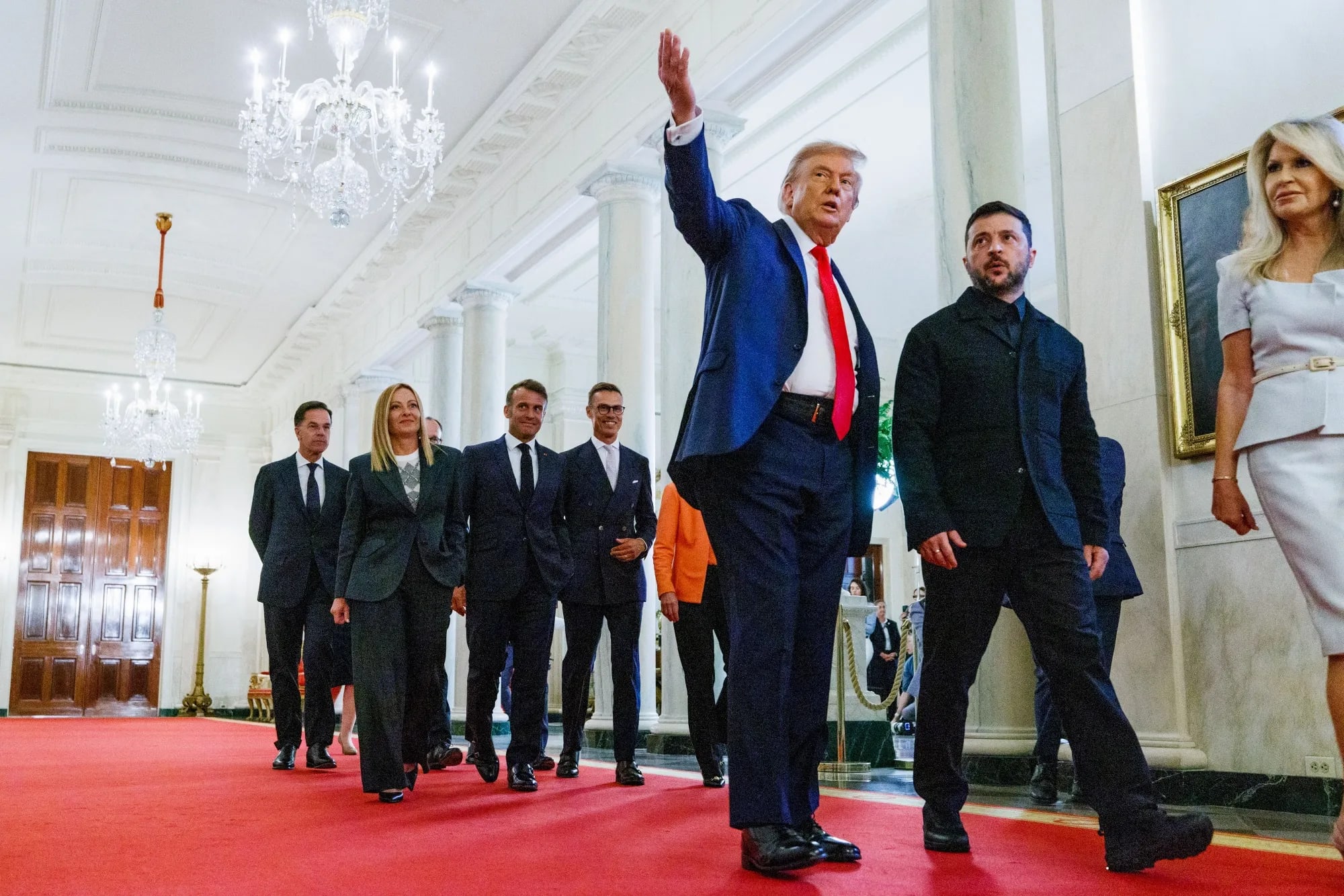
Most people think President Trump is trying to end the war in Ukraine.
That’s not wrong — but it’s incomplete.
Ukraine is not the objective.
It’s the lever.
Trump is using the war to strike at something far larger: the British-centered financial system that has dominated — and hollowed out — the United States for over forty years.
And that is why peace terrifies Europe’s ruling class.
Why Trump Is Forcing the Issue Now
Trump has been unusually blunt in recent weeks.
Ukraine hasn’t held elections in years.
It calls itself a democracy while suspending democratic accountability.
It is losing thousands of people every week.
Multiple public opinion surveys conducted inside Ukraine indicate a large majority of Ukrainians now favor a negotiated settlement rather than indefinite war. Some polls put that number above 80 percent.
Trump has also openly acknowledged what Western media avoids: systemic corruption inside the Ukrainian government and military procurement system — corruption that directly feeds the war economy.
His warning has been consistent:
Wars like this don’t stay contained.
They escalate.
They metastasize.
They end in world wars.
That is not rhetoric. It’s historical pattern recognition.
Why Europe Needs the War to Continue
If peace were truly the goal, negotiations would already be underway.
Instead, European leadership has spent months actively blocking them.
Why?
Because peace threatens the financial and political architecture that has ruled the Atlantic world since 1971, when the Bretton Woods system was dismantled and replaced with a speculative, debt-driven order centered in London and Wall Street.
Ukraine is not just a battlefield.
It is a cash-flow mechanism.
Ending the war collapses that flow.
The $246 Billion Pressure Point
Nowhere is this clearer than Europe’s attempt to seize roughly $246 billion in frozen Russian central bank assets, most of them held through Euroclear in Brussels.
According to reporting from European financial and legal outlets, EU officials want to use those assets as collateral for loans to continue financing the war — effectively converting seized sovereign funds into permanent war capital.
This is unprecedented.
Even countries inside the EU — including Belgium, where most of the assets are held — have raised legal objections. Hungary and Slovakia have openly opposed the plan.
So Brussels responded by inventing emergency powers to bypass vetoes and permanently block Russia from reclaiming its own funds.
Russia has now filed legal action to recover the assets.
Trump’s position, by contrast, is radically different:
use those funds for reconstruction, not escalation — and for joint economic development, not endless war.
That single shift threatens the entire European strategy.
I go into detail on this in this article here —
Anti-Corruption Is the Weapon They Can’t Stop
Western media has tried to frame Trump’s anti-corruption push as coercion.
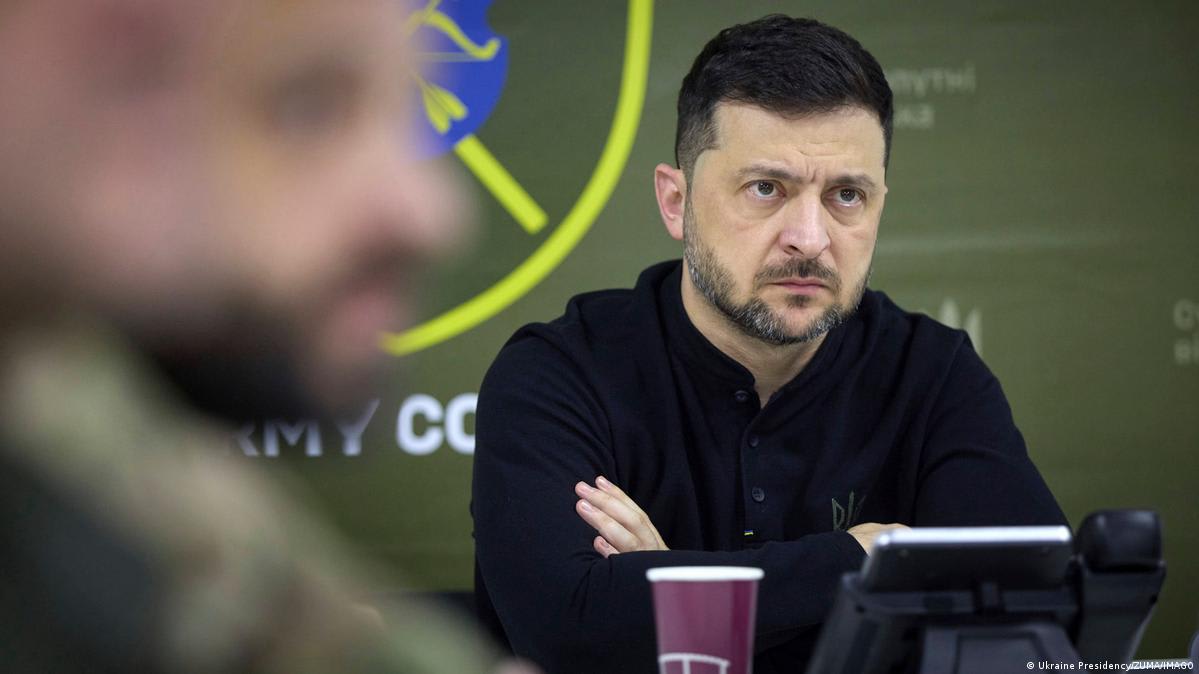
But according to reporting from U.S. and Ukrainian sources, joint anti-corruption investigations have already forced the resignation of top Ukrainian officials closely tied to Zelensky’s inner circle.
This is not incidental.
Corruption is not a side effect of the war — it is the engine of the war.
When you expose it, the war loses oxygen.
That is why peace talks follow anti-corruption, not the other way around.
The Leaked Strategy That Explains Everything
Here’s where the story gets explosive.
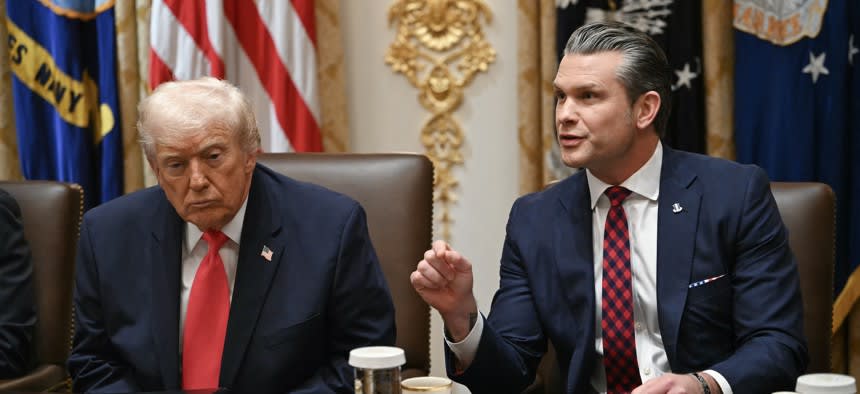
Defense One, a Pentagon-focused trade publication, reported on a Trump administration document outlining a dramatically expanded global strategy — one that goes far beyond Ukraine.
According to the report, Trump has discussed forming a “Core Five” alliance consisting of:
-
The United States
-
Russia
-
China
-
India
-
Japan
The idea: regular summits, coordinated security strategy, economic development, and a decisive pivot away from the Atlantic system toward the Pacific.
The document also reportedly describes working directly with sovereign European nations — Hungary, Italy, Poland, Austria — to pull them away from Brussels and support movements favoring national sovereignty and cultural preservation while remaining pro-American.
Why the British Have Always Feared This
This concept didn’t appear overnight.
For decades, geopolitical strategists have argued that an alliance of the United States, Russia, China, and India — with Japan as a technological partner — would possess economic and scientific power so overwhelming that the current global financial order could not survive it.
Large populations.
Industrial capacity.
Energy security.
Space programs.
Infrastructure development.
Everything the post-industrial Western model abandoned.
British strategic documents confirm this fear.
In 2018, the UK House of Lords published a report identifying the United States, Russia, China, and India as the primary targets for British influence operations — explicitly warning that these powers must be kept divided.
That same year, Trump told the United Nations:
“We reject the ideology of globalism and we embrace the doctrine of patriotism.”
The British response, buried in diplomatic language, was clear:
Trump — or any movement like his — could not be allowed to govern again.
What followed were censorship regimes, intelligence operations, media coordination efforts, and financial pressure campaigns that are now fully normalized across Europe.
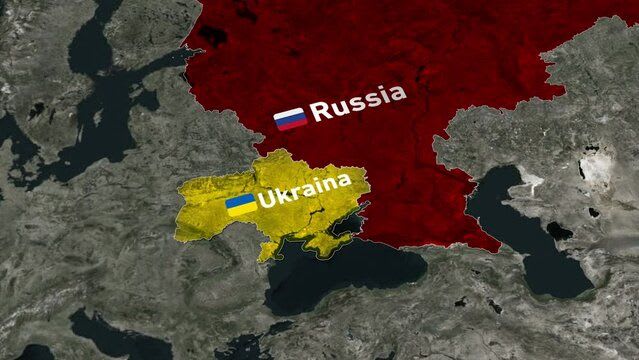
Ukraine Is the Final Choke Point
Ending the Ukraine war doesn’t just stop the killing.
It breaks the financial feedback loop.
It exposes corruption.
It collapses leverage.
It forces Europe to confront its own insolvency.
Most of all, it clears the path for a new global alignment that makes the old empire obsolete.
Trump understands this.
He knows the Atlantic order is dying — and that clinging to it will destroy the United States along with Europe.
America is not a European satellite.
It is a Pacific power.
And its future lies in sovereignty, development, cooperation among civilizations, and technological expansion — not endless wars fought to preserve a collapsing financial regime.
That is why peace is treated as a threat.
And that is why Ukraine is the battlefield — not the prize.
