

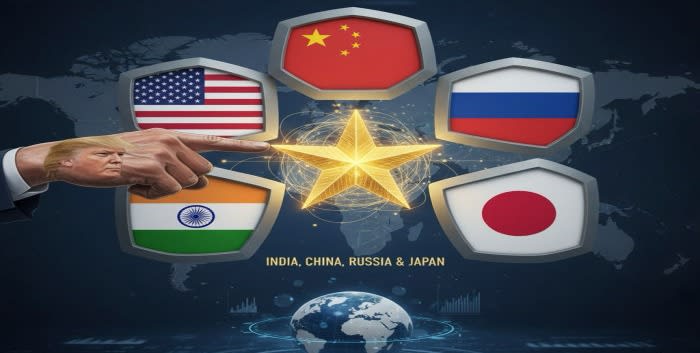
The Sovereign Multipolar Realignment
For decades, serious geopolitical strategists have warned that the greatest threat to the existing global order would not come from war—but from coordination. Specifically, coordination among the world’s largest sovereign powers: the United States, Russia, China, and India, with Japan as a technological partner.
Such an alignment would represent something fundamentally different from the post–Cold War system. Not an empire. Not a supranational government. But a multipolar, sovereign alliance grounded in production, energy security, infrastructure, and scientific advancement.
And that possibility—long discussed quietly in strategic circles—is no longer theoretical.
The Fear Beneath Modern Geopolitics
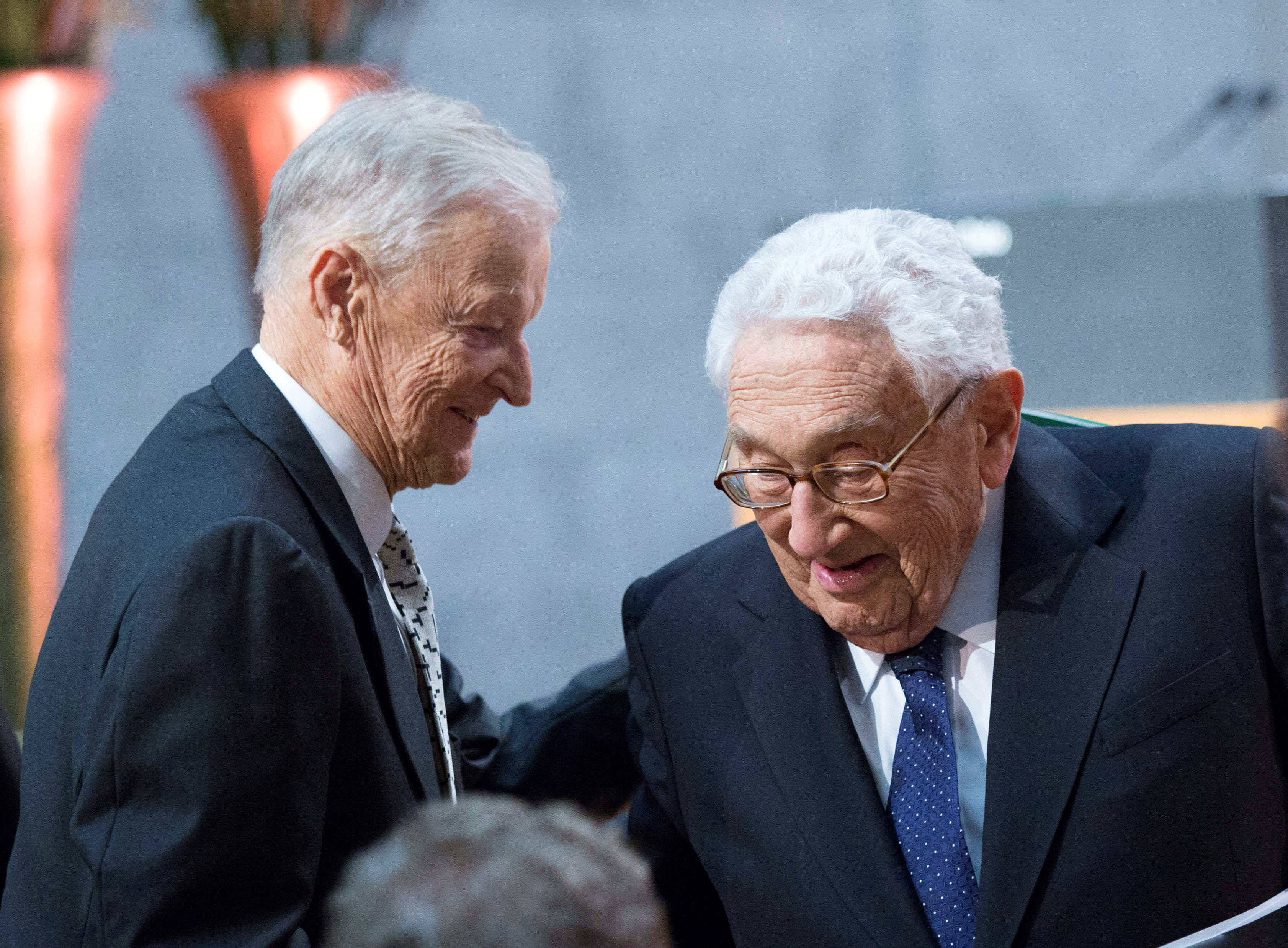
This anxiety is articulated most clearly in the writings of pro-globalist Zbigniew Brzezinski, former U.S. National Security Advisor and one of the chief architects of post–Cold War strategic thought. In The Grand Chessboard, Brzezinski warned that the gravest threat to American primacy would be the emergence of a grand coalition of major Eurasian powers—a coalition unified not by ideology, but by shared interests in development and independence. He argued that any such alignment capable of combining industrial capacity, population, and strategic resources would fundamentally challenge the existing global order.
Brzezinski was explicit that Eurasia was the central arena of global power, and that preventing its consolidation was a core strategic imperative. His concern was not abstract. A coordinated Eurasian core, especially one involving China, Russia, and potentially aligned partners, would possess the means to operate outside Western-controlled financial and political structures. In his view, this outcome had to be avoided at nearly all costs.
Strip away the rhetoric of democracy promotion, rules-based orders, and humanitarian intervention, and a simpler concern emerges:
If the world’s largest populations, industrial bases, energy producers, and scientific institutions stop competing destructively and begin coordinating development, the existing financial power structure cannot survive.
This is not a conspiracy theory. It is a recurring premise in mainstream geopolitical literature stretching back more than a century—from Halford Mackinder’s warnings about Eurasian integration, to Cold War containment doctrine, to post-Soviet strategy.
The logic has remained consistent across generations of strategic thinking. Major powers must be kept divided. Eurasian industrial consolidation must be prevented. Financial and trade choke points must be preserved. Capital flows must remain the primary mechanism of leverage rather than physical production. From this perspective, the real danger is not military conquest, but self-sufficiency at scale—nations no longer dependent on centralized financial systems to function or grow.**.
Why These Five Nations Matter
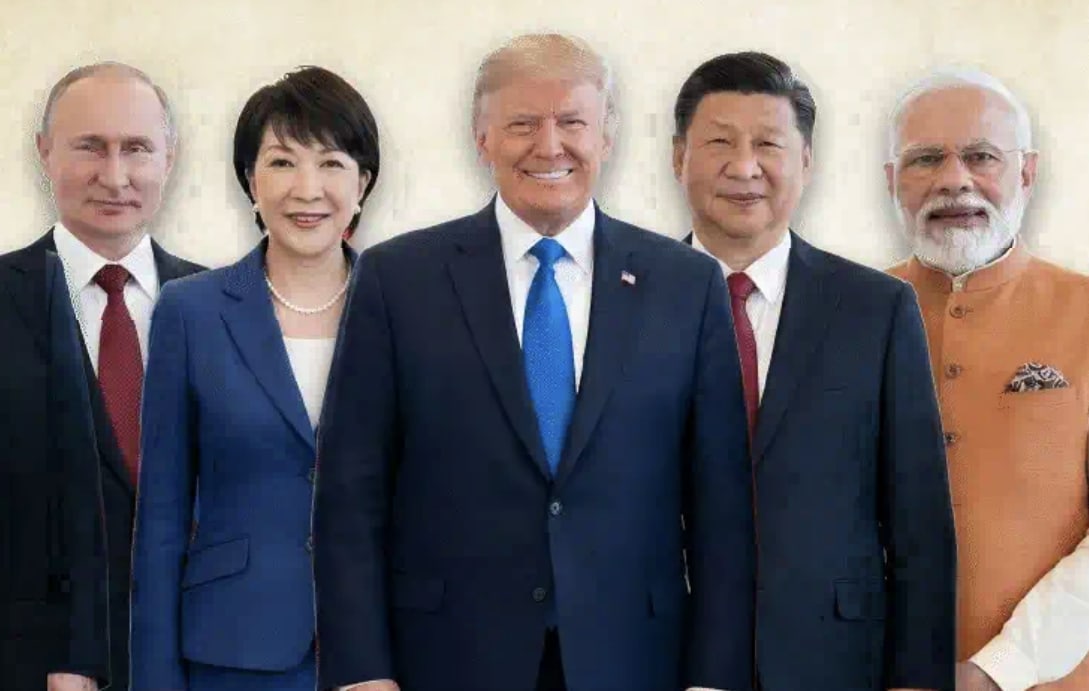
The United States, Russia, China, India, and Japan together represent a civilizational stack that modern finance-based globalization deliberately deprioritized.
Together, these nations command nearly half of the world’s population and a decisive share of its productive capacity. They retain deep industrial ecosystems, heavy manufacturing, machine-tool mastery, advanced materials science, energy independence across oil, gas, nuclear, hydro, and renewables, large-scale agricultural output, independent space-launch and satellite capabilities, and the ability to execute massive infrastructure projects—from rail and ports to power grids and megaprojects. This combination constitutes a full-spectrum civilizational capacity, one capable of sustaining growth without reliance on speculative finance or external permission structures.
-
Energy security: Oil, gas, nuclear, hydro, renewables
-
Food security: Agricultural scale and diversity
-
Independent space programs: Launch capability, satellite networks, strategic deterrence
-
Infrastructure capacity: Rail, ports, power grids, megaproject execution
-
Scientific and technological ecosystems: From AI and semiconductors to nuclear physics and aerospace
This is a full-spectrum civilization model—one capable of sustaining growth without relying on speculative finance or external permission structures.
It is also precisely what the post-industrial Western model abandoned.

What the Post-Industrial Order Actually Produced
The global financial system that dominated the last four decades promised efficiency, peace, and prosperity. In practice, it delivered repeated financial crises, widespread deindustrialization across much of the West, hollowed-out middle classes, decaying infrastructure, chronic energy insecurity, endless proxy wars, and technological stagnation masked as digital convenience. Production was outsourced, labor was financialized, and economic growth was reduced to spreadsheet abstractions disconnected from physical reality.
Sovereign governments were increasingly reduced to administrators of external rules—enforced through debt, currency access, sanctions, and regulatory pressure.
This was not globalization as mutual advancement. It was financial centralization disguised as progress.
British Strategic Anxiety, Stated Plainly
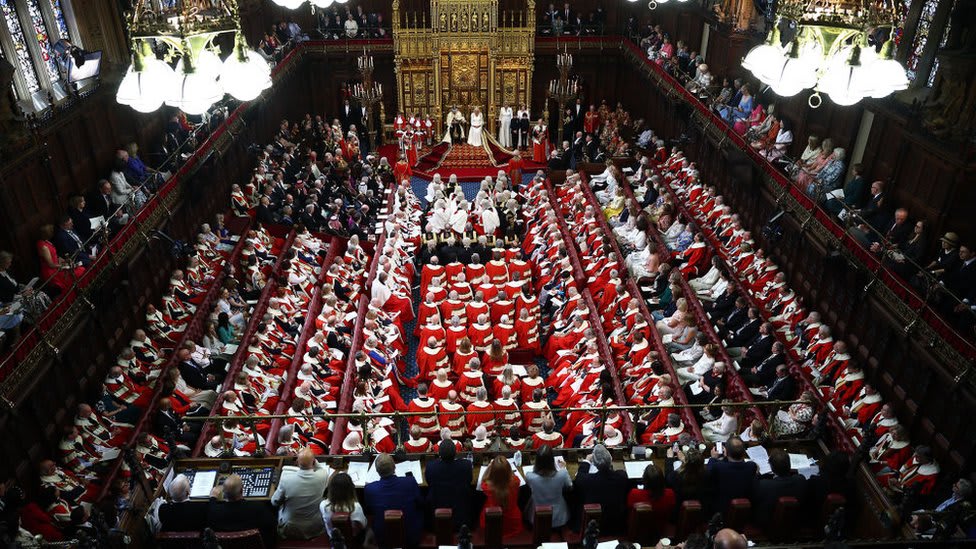
By 2018, even establishment institutions were forced to acknowledge that the system was fracturing.
That year, the UK House of Lords published a major report on foreign policy in a shifting world order. The document did not use dramatic language—but its implications were clear:
-
Power is dispersing
-
The unipolar moment is over
-
Technology and infrastructure now drive influence
-
China, Russia, India, and the United States are central to the emerging order
-
Narrative control and influence operations matter more than ever
The report reflects an underlying recognition long understood in private: if these powers converge instead of clash, legacy leverage collapses.
Not because of ideology—but because development beats control.
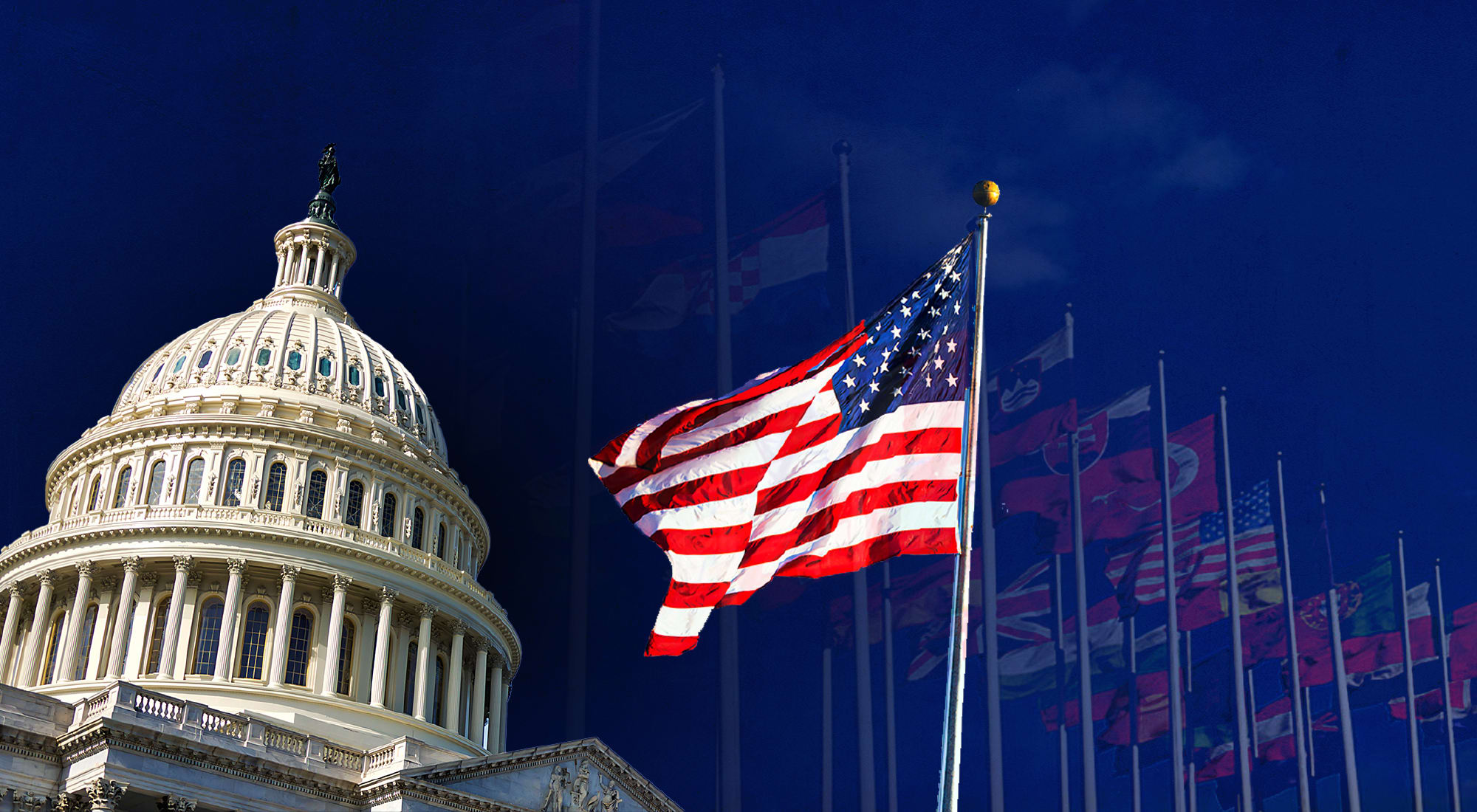
Sovereign Alignment, Not Global Government
This emerging alignment is not attempting to create a single currency regime, a unified political authority, or a shared ideology enforced from above. It does not seek a centralized command structure. Instead, it reflects a modernized Westphalian logic: strong sovereign states cooperating by choice, aligning where interests converge, diverging where they do not. Trade without dependency. Cooperation without submission. Development without permission.
This model terrifies centralized financial systems because it removes the primary tool of control: artificial scarcity enforced through capital bottlenecks.
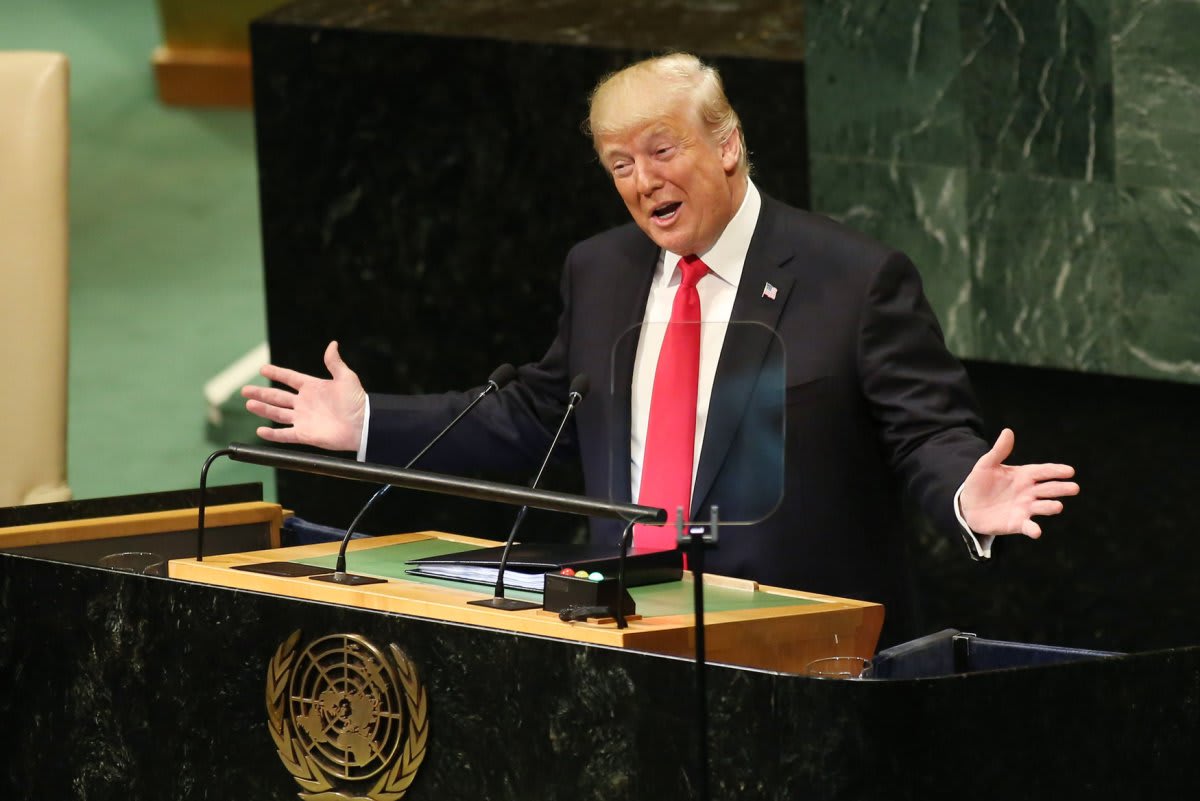
Trump’s UN Speech as a Structural Signal
When President Donald Trump addressed the United Nations in 2018 and declared:
“We reject the ideology of globalism and we embrace the doctrine of patriotism,”
it was widely dismissed as rhetoric.
In reality, it was a structural declaration.
It rejected the premise that legitimacy flows from supranational management. It reasserted sovereign decision-making as the foundation of cooperation.
Seen in this context, Trump’s posture was not isolationist—it was anti-dependency. It reopened the door for nation-states to pursue development-first strategies without ideological submission.
The Real Battlefield: Finance, Standards, and Infrastructure
If a sovereign alignment among these major powers continues to deepen, the decisive shifts will not occur on military fronts.
They will occur in:
-
Trade settlement mechanisms
-
Energy pricing and long-term contracts
-
Industrial and technological standards
-
Resource control and allocation
-
Infrastructure financing outside legacy debt systems
-
Space, satellite, and communications architecture
-
Supply chain localization and redundancy
With Japan as a technological partner, this alignment gains a crucial accelerant: the ability to rapidly convert capital, raw materials, and labor into high-value output.
That is how real power is built.
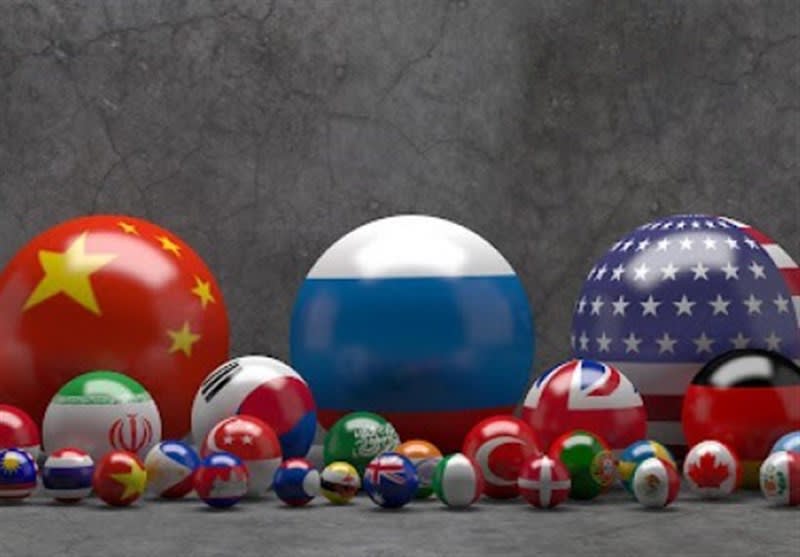
The Multipolar Future Taking Shape
What is emerging is not the collapse of global cooperation—but its redefinition.
A multipolar world of sovereign alliances points toward a future where:
-
Nations build instead of speculate
-
Energy is secured instead of weaponized
-
Infrastructure replaces austerity
-
Science advances without ideological gatekeeping
-
Trade serves development, not control
This is not a utopian vision. It is a reversion to reality.
The chaos of recent decades was not accidental. It was the product of a system that mistook leverage for leadership and control for progress.
What comes next will not be neat or frictionless. But it will be grounded in something the modern world has been denied for far too long:
Sovereign nations cooperating to advance human civilization—rather than manage its decline.
