

What Determines a Threat to U.S. National Security?
For most of modern history, Americans were taught to view national security through a narrow lens. A threat was something visible and immediate—an army, a missile, a terrorist network. It was something you could point to on a map or identify in a briefing.
That definition no longer holds.
Over the last fourteen months, global events have made something increasingly clear: the United States does not define national security primarily by who can attack it directly. It defines national security by who can disrupt the systems that allow it to function, project power, and maintain stability.
This is not speculation. It is reflected in how policy is written, how resources are allocated, and how global events are being managed in real time.
The Shift From Physical Threats to Systemic Threats
Recent U.S. strategic doctrine, particularly the 2025 National Security Strategy and the evolving National Defense Strategy, reveals a fundamental shift in thinking. The emphasis is no longer placed solely on defeating adversaries in conventional warfare. Instead, the focus is on ensuring dominance across a series of interconnected systems that underpin modern power.
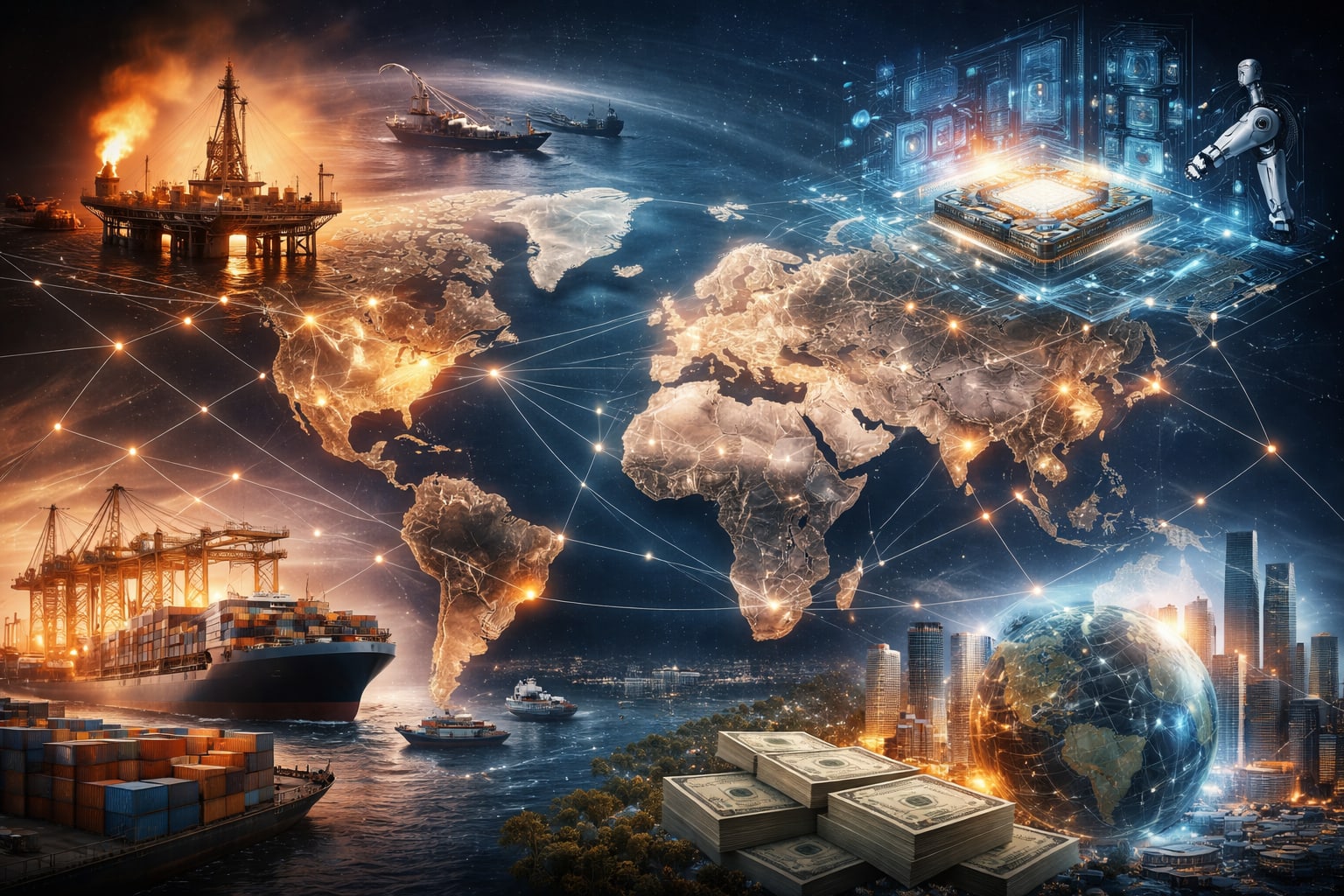
These systems include energy production and distribution, global trade corridors, technological infrastructure such as artificial intelligence and semiconductors, capital flows through financial systems, and the resilience of supply chains.
What emerges from this framework is a different definition of threat. A nation, organization, or actor does not need to engage in direct conflict to be considered dangerous. It only needs the ability to interfere with one of these layers. If it can influence energy flows, restrict access to trade routes, control critical technologies, manipulate capital, or disrupt supply chains, it can exert pressure at a level that rivals or exceeds traditional military force.
This is why the modern battlefield feels less like a front line and more like a network.
Energy as the Foundation of Power
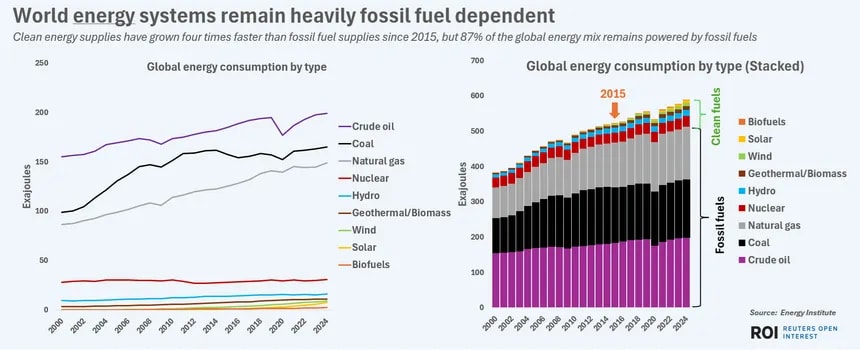
Energy sits at the base of everything. It fuels industrial production, transportation, digital infrastructure, and increasingly, artificial intelligence systems. The strategic documents make it clear that energy is not treated as a commodity alone but as a lever of power that must be secured, controlled, and, when necessary, denied to adversaries.
When viewed through this lens, the renewed focus on regions like Venezuela and Iran is not about isolated political disputes. It is about ensuring that major energy reserves and the routes through which energy flows remain within a system that the United States and its allies can influence. Disruptions in these areas are not regional issues; they have immediate global consequences, affecting prices, stability, and the operational capacity of entire economies.
The emphasis on energy dominance also connects directly to the rise of AI. Advanced computing infrastructure requires enormous amounts of power. The country that controls both energy supply and compute infrastructure holds a compounding advantage that extends far beyond traditional economic metrics.
Trade Corridors as Strategic Control Points
Equally important is the movement of goods. The modern economy depends on a constant, uninterrupted flow of materials, products, and resources across the globe. Strategic doctrine increasingly treats trade routes not simply as commercial pathways but as critical infrastructure that must be protected and, if necessary, controlled.
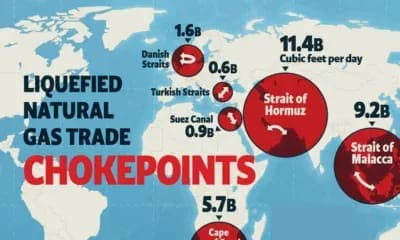
This explains why certain geographic points—canals, straits, and maritime routes—have become focal points of tension. The concern is not territorial ownership in the traditional sense, but the ability to ensure that movement continues without disruption. If a single chokepoint is compromised, the effects ripple outward, impacting supply chains, manufacturing timelines, and economic stability.
From this perspective, attention on locations such as the Panama Canal or the Strait of Hormuz is not incidental. These are pressure points within a larger system. Control over them translates directly into leverage over global trade and, by extension, over the economies that depend on it.
Technology as Infrastructure, Not Innovation
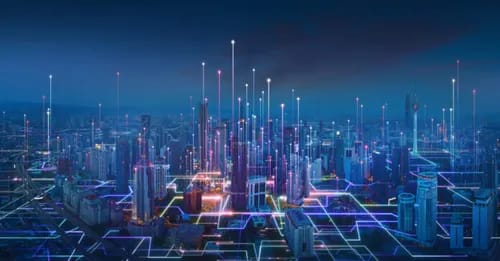
One of the clearest signals in modern strategy is the elevation of technology—particularly artificial intelligence and semiconductor manufacturing—to the level of national security infrastructure.
This represents a departure from how technology was previously viewed. It is no longer just a driver of economic growth or innovation. It is a foundational layer of power. Whoever controls advanced chips, data infrastructure, and AI systems effectively controls the tools that shape everything from military capability to economic productivity.
The strategic importance of Taiwan, for example, is inseparable from its role in semiconductor manufacturing. The concern is not limited to territorial integrity; it is rooted in the reality that control over chip production equates to control over the future of computing and AI. This is why policy has shifted toward securing domestic production, restricting exports, and forming alliances around technology supply chains.
In this context, technological competition is not an abstract race. It is a struggle over who defines and controls the operating system of the modern world.
Capital Flows as a Form of Power Projection
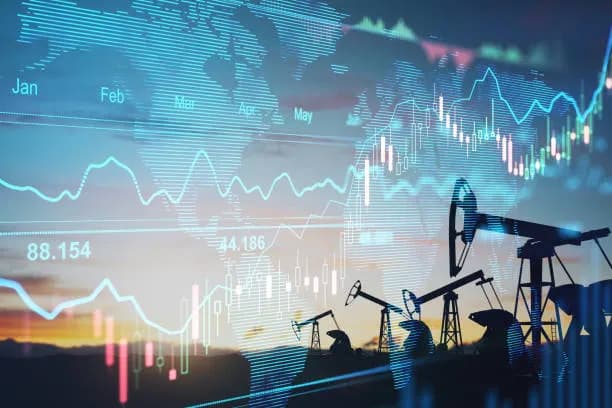
Financial systems have also been fully integrated into the concept of national security. The ability to control capital flows—through sanctions, asset freezes, and access to global financial networks—has become a primary tool of influence.
This shift reflects an understanding that money determines what gets built, where investment flows, and which systems expand or contract. By controlling financial infrastructure, the United States can shape global behavior without deploying military force.
At the same time, the emergence of alternative financial systems and alliances reflects a growing awareness among other nations that dependence on a single financial architecture creates vulnerability. This dynamic is driving the development of parallel systems, further reinforcing the idea that control over capital is a central battleground.
Supply Chains and the Meaning of Sovereignty
Perhaps the most tangible lesson of recent years has been the fragility of supply chains. Disruptions revealed that dependence on external sources for critical goods—from semiconductors to pharmaceuticals—can quickly become a national security issue.
As a result, policy has shifted toward securing domestic production, diversifying sources, and building redundancy into critical systems. This is not simply an economic adjustment. It is a recognition that sovereignty in the modern era is defined not just by borders, but by the ability to sustain essential functions without external disruption.
Why These Global Events Are Not Random
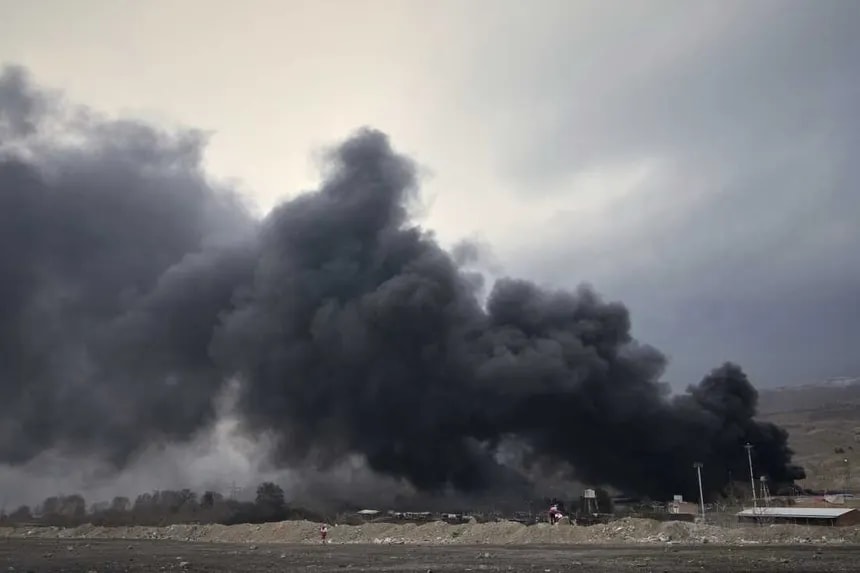
When viewed individually, events in places like Venezuela, Iran, Cuba, Taiwan, or key maritime corridors can appear disconnected. Each has its own political context, its own history, and its own set of actors.
But when viewed through the framework outlined in U.S. strategy, a different pattern emerges.
Each of these locations represents a point of influence within one of the core systems—energy, trade, technology, capital, or supply chains. Activity around them reflects an ongoing effort to secure, stabilize, or control those systems, while preventing adversaries from gaining leverage over them.
Even shifts in policy from countries like Russia begin to make more sense within this model. Rather than seeking direct confrontation, the focus shifts toward influencing energy markets, forming alternative partnerships, and applying pressure at key nodes within the system. The objective is not necessarily to dominate outright, but to create friction, extract leverage, and reshape the balance of power over time.
The New Battlefield
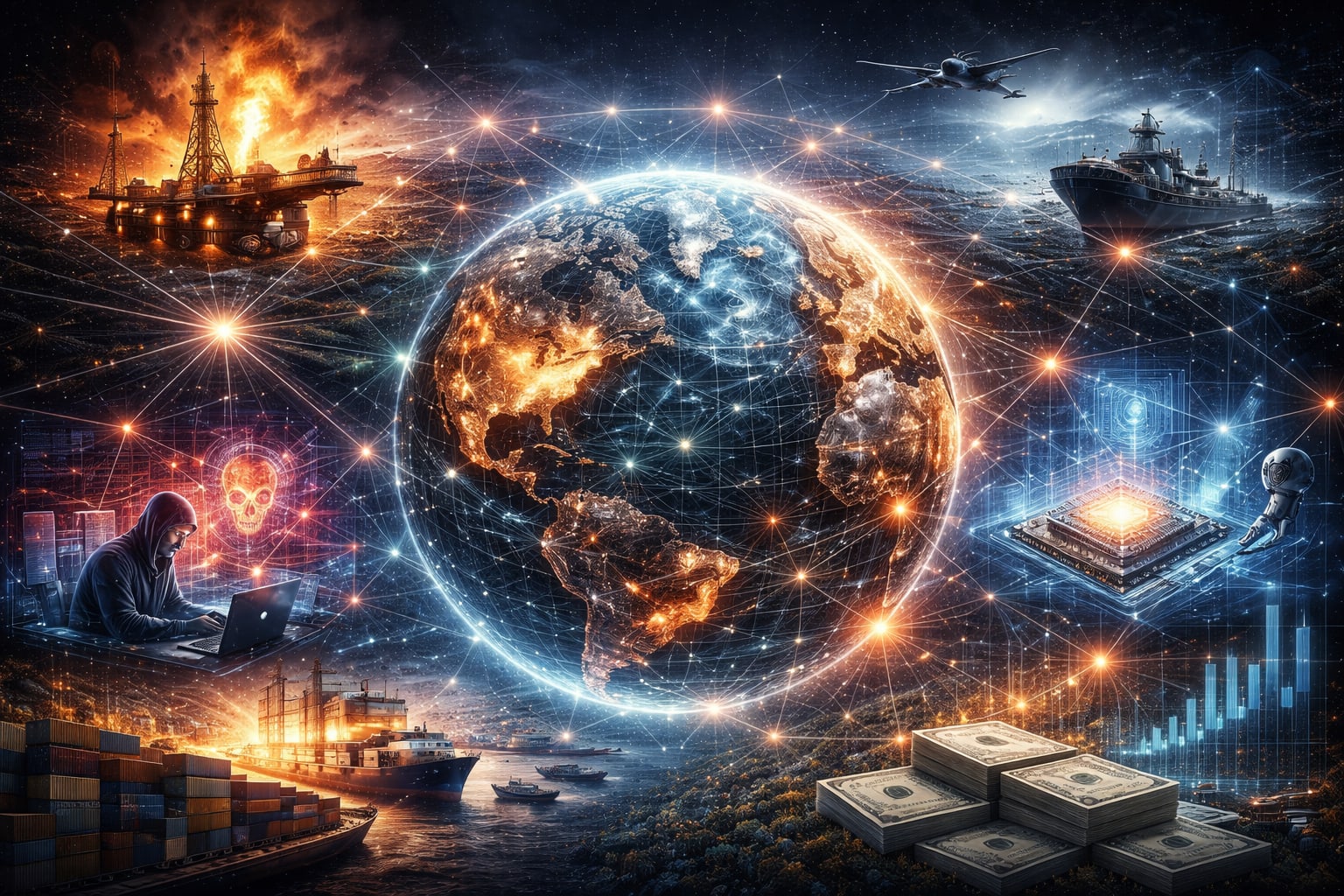
What emerges from all of this is a redefinition of what conflict looks like.
The battlefield has not disappeared, but it has expanded into domains that are less visible and more interconnected. Power is exercised not only through force, but through control of infrastructure, influence over systems, and the ability to shape the conditions under which others operate.
A threat to national security, in this environment, is not limited to an imminent attack. It is anything that can destabilize the systems that support national power.
This is why global events feel increasingly interconnected. They are not isolated crises. They are interactions within a single, complex system where pressure in one area produces effects across many others.
Final Thought
The United States is not simply reacting to events as they unfold. It is operating within a framework that prioritizes control over the foundational systems of the modern world.
Energy. Movement. Compute. Capital. Supply.
These are the true domains of national security.
And the question is no longer who can win a war in the traditional sense.
It is who can control the systems that determine how the world functions in the first place.
