

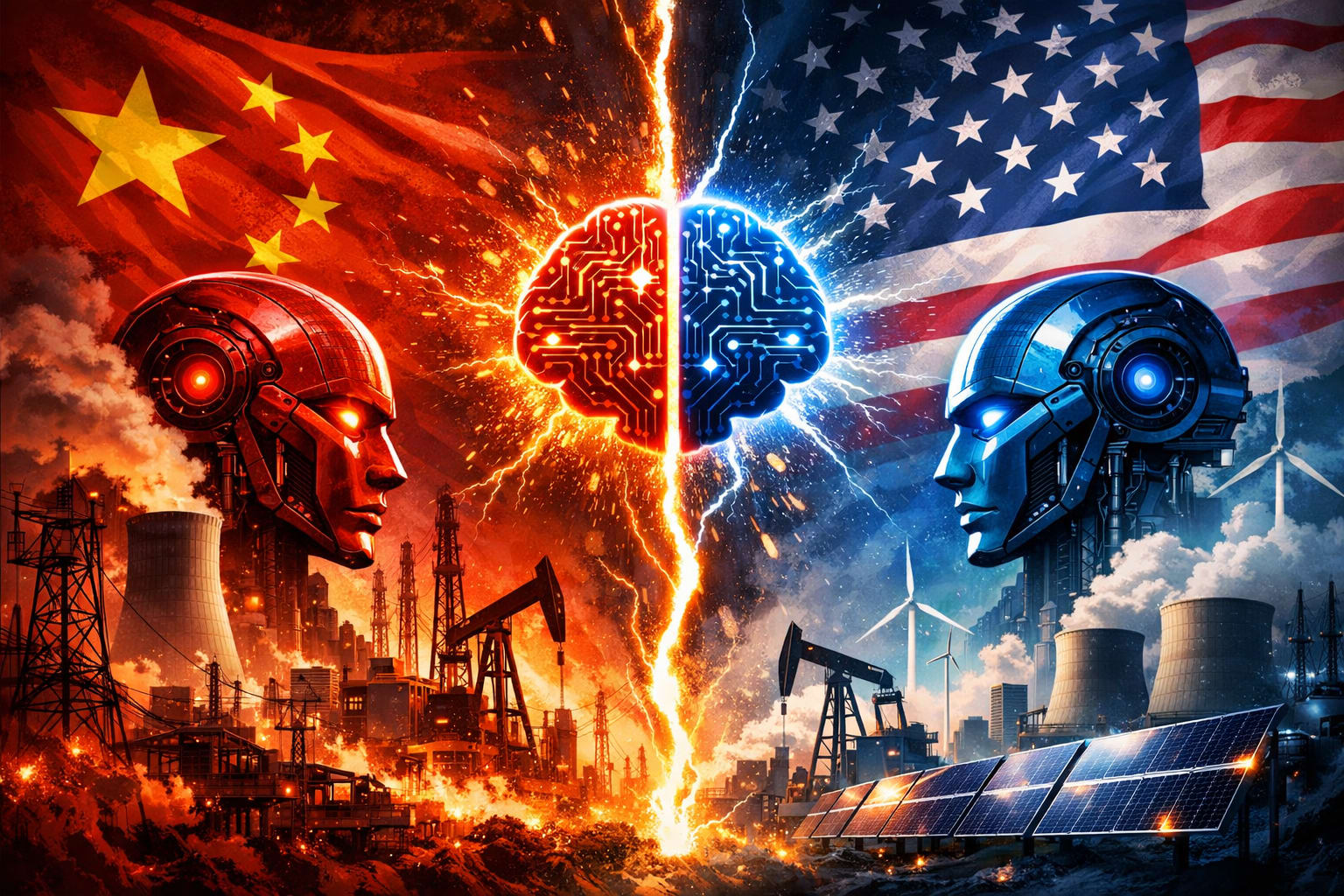
The Silent War
Modern conflict has undergone a transformation that is still poorly understood by most observers. While conventional warfare—defined by territorial disputes, military engagements, and kinetic operations—continues to exist, it no longer represents the primary arena where power is decided. Instead, the decisive contests of the 21st century are unfolding across systems that operate beneath the surface of daily visibility.
This shift is often described through the framework of Unrestricted Warfare or Fifth Generation Warfare (5GW). Within this paradigm, power is not exercised solely through force, but through the shaping of environments. Economic systems, supply chains, information networks, and technological infrastructure become the terrain upon which competition takes place. Influence is exerted not only by direct action, but by altering the conditions under which others must operate.
Artificial intelligence has emerged as the central domain within this new battlefield. It underpins financial systems, intelligence operations, logistics networks, and increasingly, the decision-making processes that govern both civilian and military institutions. The ability to build, train, and deploy advanced AI systems is rapidly becoming synonymous with national power.
Yet AI is frequently misunderstood as something abstract—an invisible layer of software detached from physical constraints. In reality, it is deeply rooted in the material world. It depends on data centers, semiconductor fabrication, cooling systems, and most critically, vast and continuous energy supply.
This dependence introduces a fundamental truth that reshapes how we must think about modern competition: artificial intelligence is not just a technological domain. It is an energy-dependent industrial system.
The Foundation: AI as an Energy-Driven System
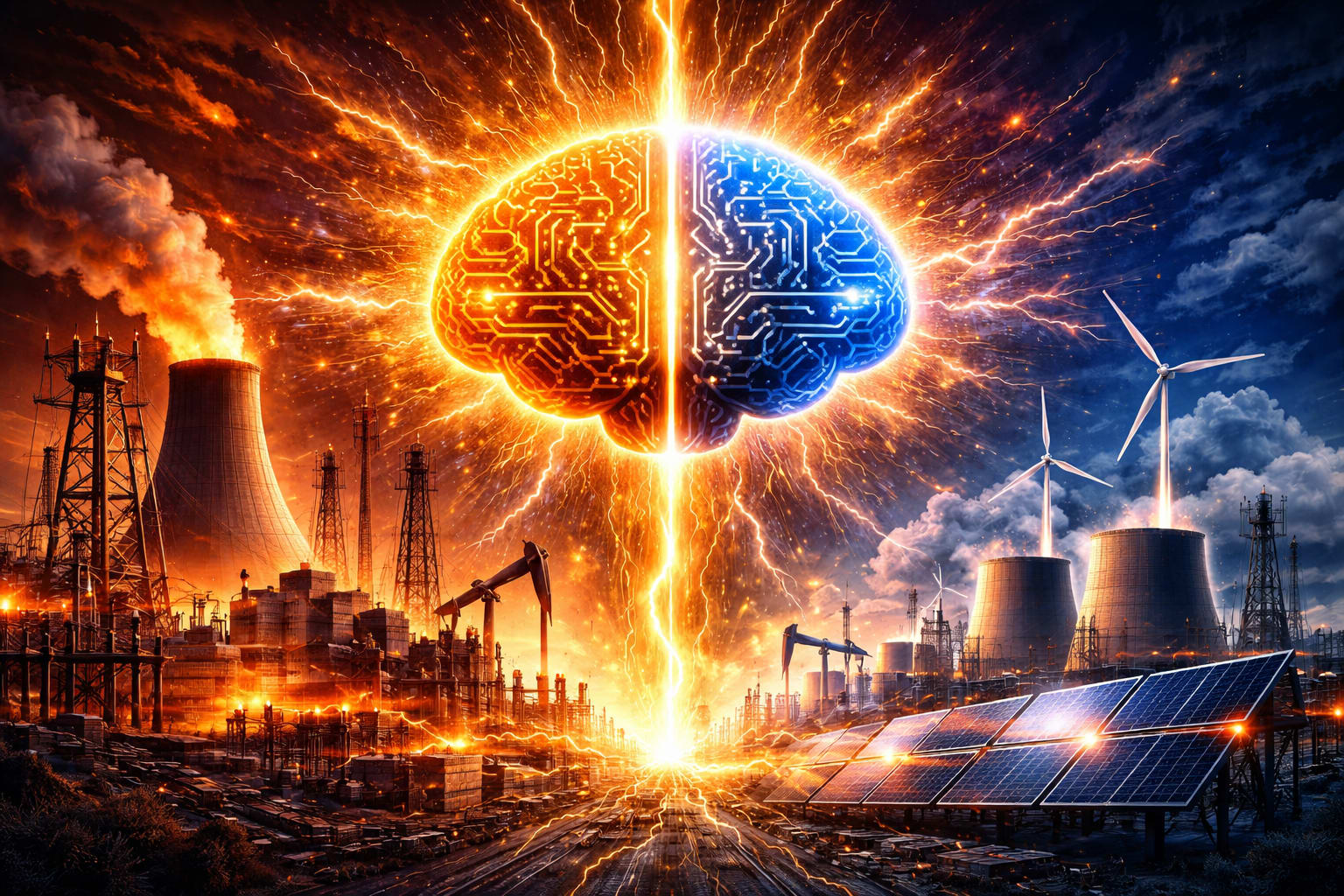
At scale, artificial intelligence is constrained by three inputs: data, computational capacity, and energy. While discussions often focus on data access or chip performance, these elements ultimately rely on a more basic requirement—electricity.
Training advanced AI models involves running massive computational workloads across specialized hardware clusters for extended periods of time. These operations consume extraordinary amounts of power, often comparable to the energy usage of entire cities. Even after training is complete, the deployment and operation of AI systems—known as inference—requires continuous energy input across globally distributed data centers.
This creates a direct relationship between energy availability and AI advancement. When energy is abundant, stable, and affordable, AI development accelerates. Organizations can run larger experiments, train more complex models, and expand infrastructure without constraint. When energy becomes expensive, unstable, or limited, the opposite occurs. Investment becomes more cautious, infrastructure expansion slows, and the pace of innovation declines.
This relationship is not theoretical. It is structural. As outlined in the foundational analysis, “AI growth is directly tied to energy availability” . In periods of global instability, this constraint becomes one of the most important determinants of technological progress.
The Global Energy System: Interdependence and Fragility

The modern energy system is characterized by deep interdependence. Production is concentrated in specific regions, while consumption is distributed globally. Between these two ends lies a complex network of transportation routes, processing facilities, financial systems, and geopolitical agreements.
This network is efficient under stable conditions, but it is also inherently fragile. It depends on the uninterrupted flow of resources through critical nodes, often referred to as chokepoints. Among the most significant of these is the Strait of Hormuz, a narrow maritime corridor through which a substantial portion of the world’s oil and liquefied natural gas supply must pass.
Disruptions at such chokepoints do not remain confined to a single region. They propagate through global markets, affecting pricing, availability, and industrial output. Even countries that are not directly dependent on imports from the affected region experience the consequences, as energy markets operate on globally interconnected pricing mechanisms.
This creates a system in which localized instability produces global effects. However, those effects are not distributed evenly. The degree to which a country is impacted depends on its level of dependence on external energy flows and its ability to absorb or mitigate disruption.
Structural Asymmetry: The United States and China
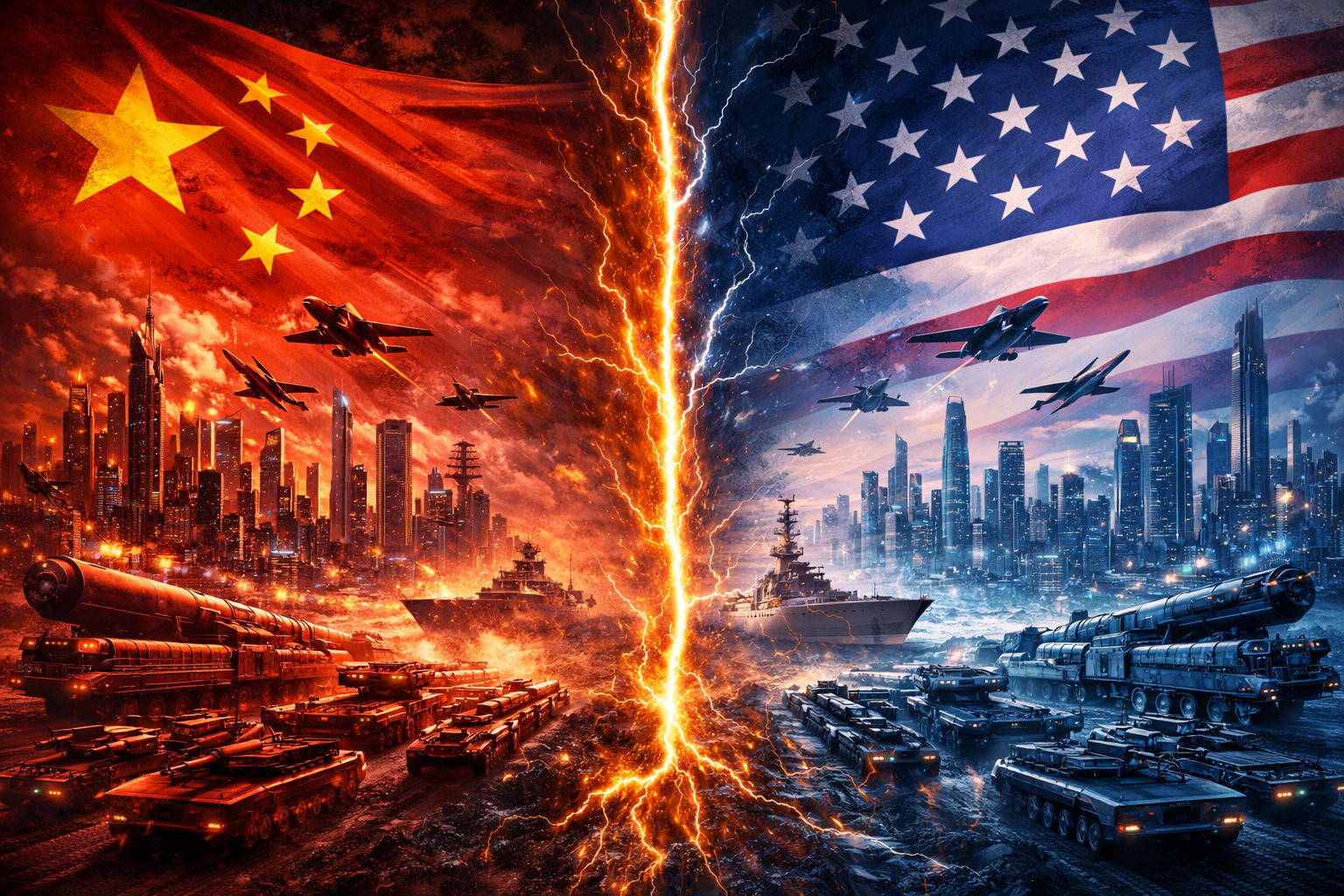
The contrast between the United States and China illustrates how structural differences in energy systems translate into strategic outcomes.
China’s rise as a global economic and technological power has been fueled by industrial expansion on an unprecedented scale. However, this expansion has required vast amounts of energy, much of which must be imported. China is now the world’s largest importer of oil and a major importer of natural gas. A significant portion of these imports travels along maritime routes that pass through vulnerable chokepoints, including the Strait of Hormuz and the Strait of Malacca.
This reliance introduces multiple layers of risk. Price fluctuations in global markets directly affect China’s industrial costs. Disruptions to supply routes can constrain electricity generation and manufacturing output. Even the anticipation of instability can force the use of strategic reserves and the implementation of emergency measures.
The United States, by contrast, has developed a high degree of energy self-sufficiency. Through advancements in extraction technologies and the expansion of domestic production, it has become one of the world’s leading producers of oil and natural gas. Combined with a diversified energy mix that includes nuclear and renewable sources, this provides a level of resilience that is not easily replicated.
This does not render the United States immune to global energy shocks. Price increases still affect domestic markets, and global economic conditions influence demand. However, it does provide flexibility. The United States can increase production, redirect supply internally, and prioritize allocation in ways that import-dependent economies cannot.
This difference creates a form of structural asymmetry. In stable conditions, it remains a background factor. In unstable conditions, it becomes a decisive advantage.
Phase I: Venezuela and the Reconfiguration of Supply
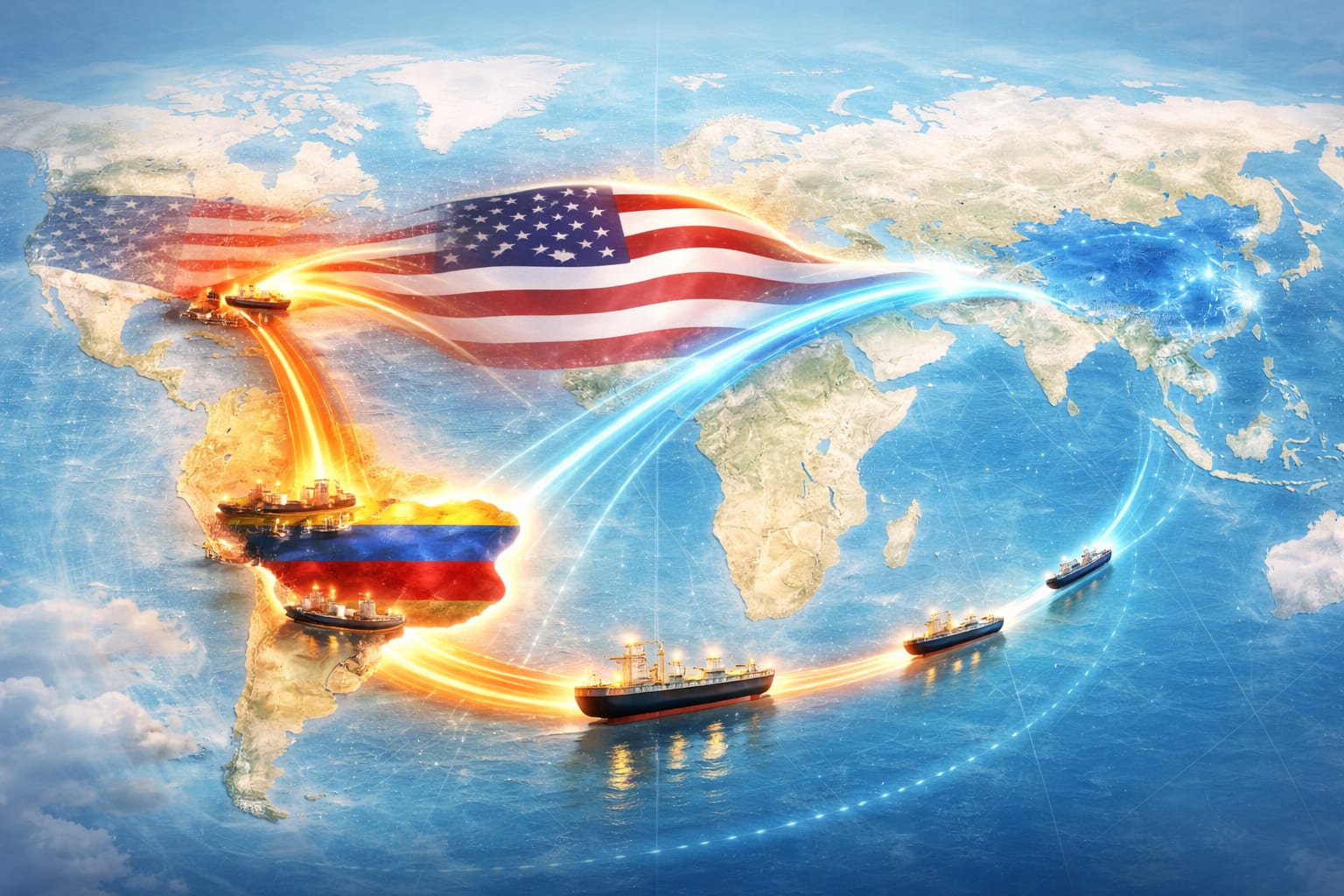
Venezuela occupies a unique position in the global energy landscape. It possesses some of the largest proven oil reserves in the world, much of it in the form of heavy crude. For years, this resource has flowed through complex and often opaque channels, frequently directed toward China under arrangements tied to debt repayment and long-term agreements.
Recent developments have altered this dynamic. As Venezuela’s energy sector becomes increasingly integrated into systems aligned with the United States, the nature of its oil exports changes. The shift is not merely one of political alignment, but of structural control.
Oil that once moved through loosely regulated pathways is now increasingly subject to formal financial systems, contractual frameworks, and logistical networks influenced by U.S. institutions. At the same time, the physical infrastructure required to process Venezuela’s heavy crude—particularly specialized refineries along the U.S. Gulf Coast—places additional leverage within American territory.
This transformation introduces a new layer of control. It is no longer simply about who produces energy, but about who governs the systems through which that energy is routed, processed, and delivered.
For China, the implications are subtle but significant. Access to Venezuelan oil is not necessarily eliminated, but it becomes mediated. Terms may change. Costs may increase. Reliability may fluctuate. Over time, these shifts accumulate, altering the broader landscape of energy availability.
Phase II: Iran and the Disruption of Transit

If Venezuela represents the supply side of the equation, Iran represents the transit side.
The Strait of Hormuz functions as one of the most critical arteries in the global energy system. A large portion of the world’s oil and liquefied natural gas exports must pass through this narrow corridor. Any disruption to its operation has immediate and far-reaching consequences.
Recent conflict dynamics have introduced significant instability into this region. Maritime traffic has been disrupted, energy infrastructure has been targeted, and the risks associated with transportation have increased substantially. Insurance costs rise, shipping routes become uncertain, and market volatility intensifies.
For countries that rely heavily on imports—particularly those whose supply chains depend on this corridor—the impact is profound. China is among the most exposed. A substantial portion of its imported energy passes through this region, making it highly sensitive to disruptions in transit.
While China has developed strategies to mitigate these risks, including alternative routes and diversified suppliers, these measures are not without limitations. They often involve higher costs, longer transit times, and increased logistical complexity. In periods of sustained instability, these factors can compound, placing additional strain on the broader energy system.
Restricting Accessibility: The Core Mechanism

When the dynamics of Venezuela and Iran are considered together, a broader pattern emerges. This pattern is not defined by outright denial of resources, but by the restriction of accessibility.
Energy is not simply removed from the system. Instead, it becomes more difficult to obtain, more expensive to transport, and less predictable in its availability. This shift may appear incremental on the surface, but its effects are cumulative.
Accessibility is the critical variable. In a highly interconnected industrial system, even small disruptions can propagate through supply chains, affecting production schedules, investment decisions, and long-term planning.
For energy-intensive sectors such as artificial intelligence, these effects are magnified.
The AI Battlefield: Diverging Trajectories
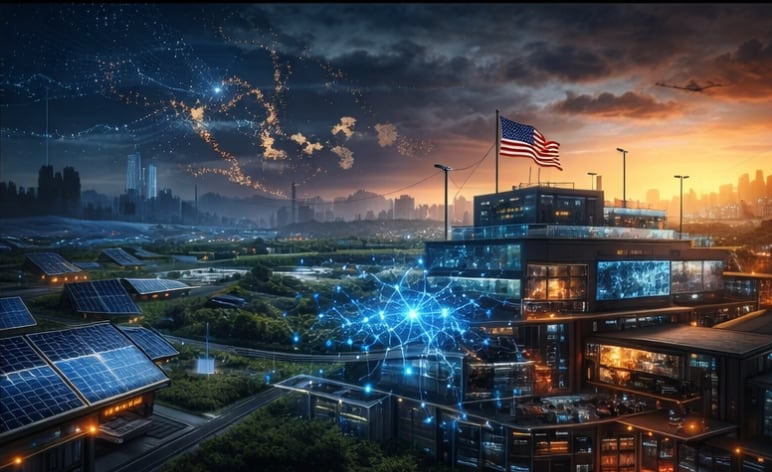
Artificial intelligence development depends on sustained, large-scale energy input. Data centers must operate continuously. Training runs require predictable power over extended periods. Infrastructure expansion demands long-term planning and stable cost structures.
When energy becomes volatile, these conditions are disrupted. Organizations may delay or scale back projects. Costs increase, reducing the number of experiments that can be conducted. Strategic focus may shift toward maintaining existing systems rather than expanding capabilities.
For China, increased energy uncertainty introduces friction into the AI development process. Progress continues, but it becomes less efficient. Timelines extend. Resource allocation becomes more complex.
The United States, operating from a position of relative energy stability, experiences a different dynamic. While not unaffected by global conditions, it retains the ability to sustain its AI infrastructure. Domestic production and policy flexibility allow for the prioritization of critical sectors, ensuring continuity in development.
This divergence creates an asymmetric outcome. One system adapts to constraint, while the other maintains momentum.
Compute Sovereignty and the Consolidation of Power
As energy constraints reshape the global landscape, the ability to operate at the frontier of AI development becomes increasingly concentrated. Regions with stable, scalable energy infrastructure emerge as central hubs of computational power.
This leads to the concept of compute sovereignty—the control over the infrastructure required to train and deploy advanced AI systems. Nations that possess this capability gain significant influence, not only over their own technological development, but over the global ecosystem.
Countries that lack sufficient energy or infrastructure may become dependent on external providers for access to advanced AI capabilities. This dependency extends beyond economics, influencing national security, information systems, and strategic autonomy.
In this context, artificial intelligence becomes more than a technological advantage. It becomes a form of infrastructure control.
Strategic Alignment as a Plausible Operational Framework
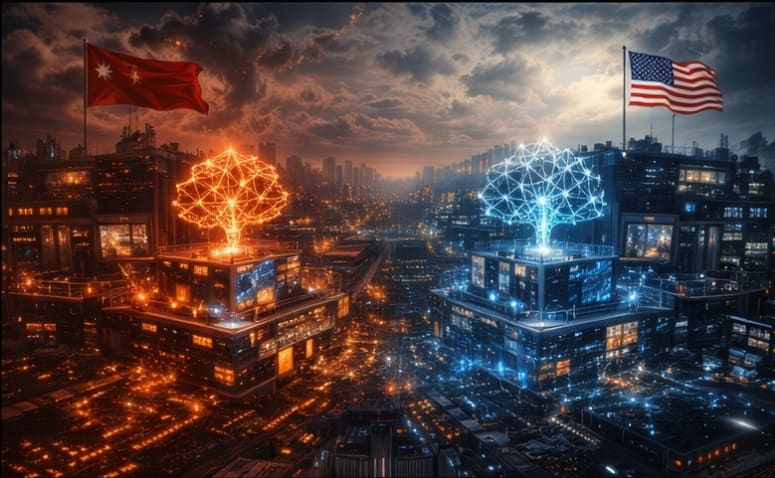
It is important to consider that the developments described may not be accidental or purely emergent, but instead represent a plausible strategic framework that the United States—under leadership such as the Trump administration—and its military and intelligence apparatus could be actively engaging with.
Within this context, intent and outcome begin to converge. While not necessarily executed as a single, publicly defined doctrine, the alignment of geopolitical actions across energy, infrastructure, and regional influence suggests the possibility of a coordinated effort to shape the conditions of global competition—particularly in domains tied to artificial intelligence and technological dominance.
This perspective aligns with the broader direction outlined in the Trump administration’s National Security Strategy and National Defense Strategy, which emphasize great power competition, economic and energy security, and the strategic importance of technological leadership. These frameworks explicitly recognize the transition toward a multipolar world, where power is distributed across multiple centers rather than dominated by a single hegemon. Within that environment, shaping global systems—rather than reacting to them—becomes a central pillar of maintaining national advantage.
U.S. military planning, intelligence assessments, and national security strategy are inherently multi-layered, involving hundreds of analysts, planners, and decision-makers across the Department of Defense, the intelligence community, and the National Security Council. These institutions routinely evaluate how disruptions in global systems—especially energy flows—can be leveraged to create strategic advantage without direct confrontation.
In this light, actions affecting energy supply chains, transit chokepoints, and regional stability can be understood as part of a broader operational environment. When external energy flows to a major competitor become less stable, and domestic energy systems remain resilient, the competitive landscape shifts in a way that favors sustained technological development within the United States.
This is consistent with modern military doctrine, where shaping the environment is often more decisive than direct engagement. Rather than relying solely on kinetic force, influence is exerted through the manipulation of systems—economic, logistical, and infrastructural—to produce long-term strategic outcomes.
From this perspective, what appears as a series of disconnected geopolitical events may, in fact, represent a plausible and deliberate approach to maintaining advantage in the emerging AI-driven world order.
The New Architecture of Power
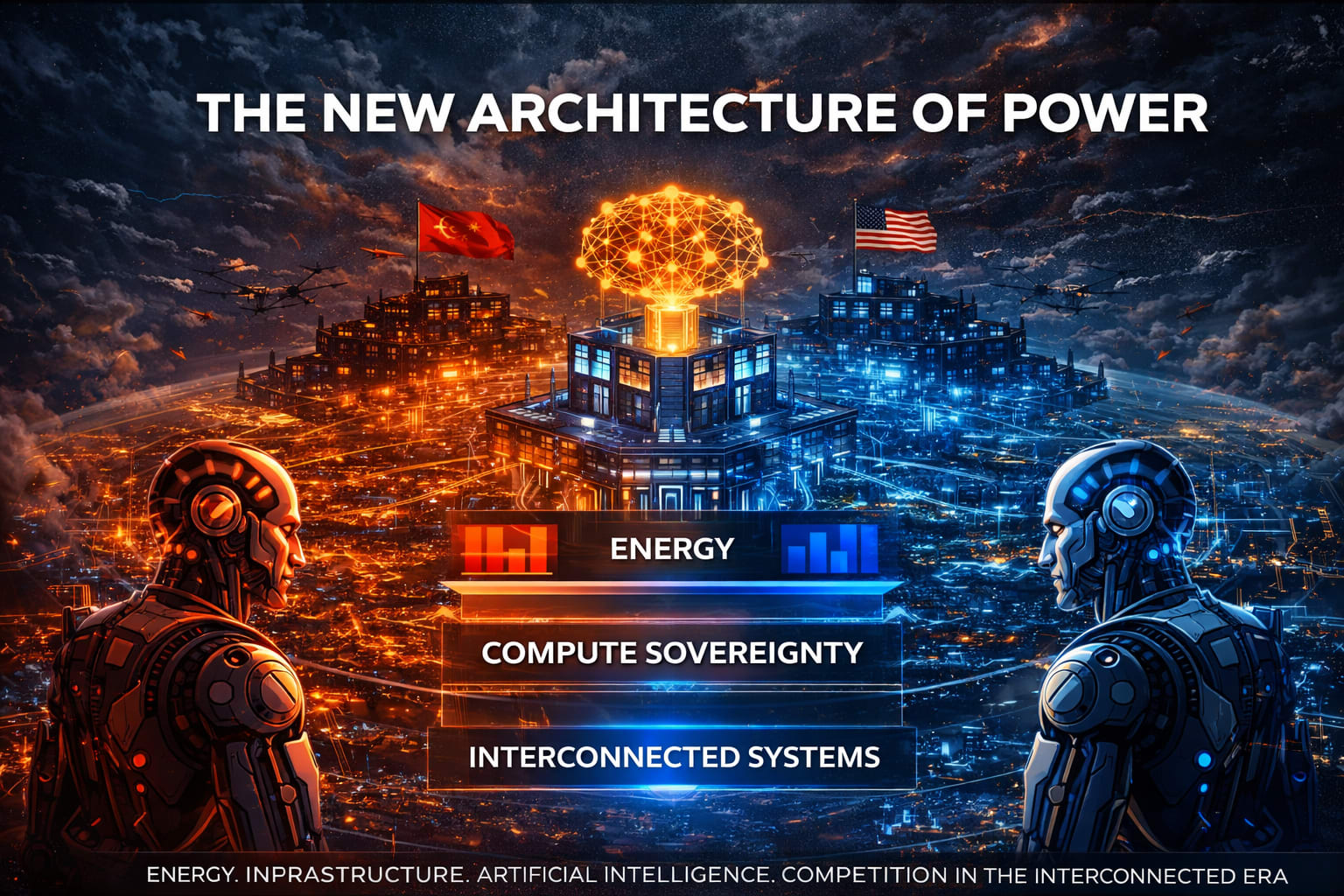
The defining feature of 21st century warfare is not the elimination of traditional conflict, but its integration into a broader system of competition that now includes energy structuring, compute sovereignty, and the optimization of interconnected systems.
Energy, infrastructure, and artificial intelligence form a layered architecture of power, but this structure is no longer static. It is dynamic, adaptive, and increasingly shaped by the ability to engineer and control the conditions under which systems operate. Control at the foundational level—energy production, distribution, and accessibility—propagates upward, influencing computational capacity, data processing, and ultimately the trajectory of AI development.
In this framework, the decisive advantage lies not merely in possessing resources, but in shaping the environment itself. Power is exercised through the ability to restrict, redirect, or optimize flows—of energy, capital, information, and compute—creating asymmetries that compound over time.
The battlefield is no longer confined to physical space. It extends into the networks that sustain modern civilization, where pressure applied in one domain produces cascading effects across many others.
And within those networks, the struggle for dominance is not only underway—it is accelerating, driven by the convergence of energy control, technological advancement, and the race to define the next global system.
